CRISTAL CÉRAME
MOROCCO
One Factory. Multiple Systems. All Information in One Place.
Automated data acquisition and production monitoring
WHY?
The story:
When information is available, but you have to go looking for it
In a factory, every machine has its own story. One is running, another is waiting, while a third is reporting an alarm.
But how can you understand what is happening across the entire production line without moving from one machine to another?
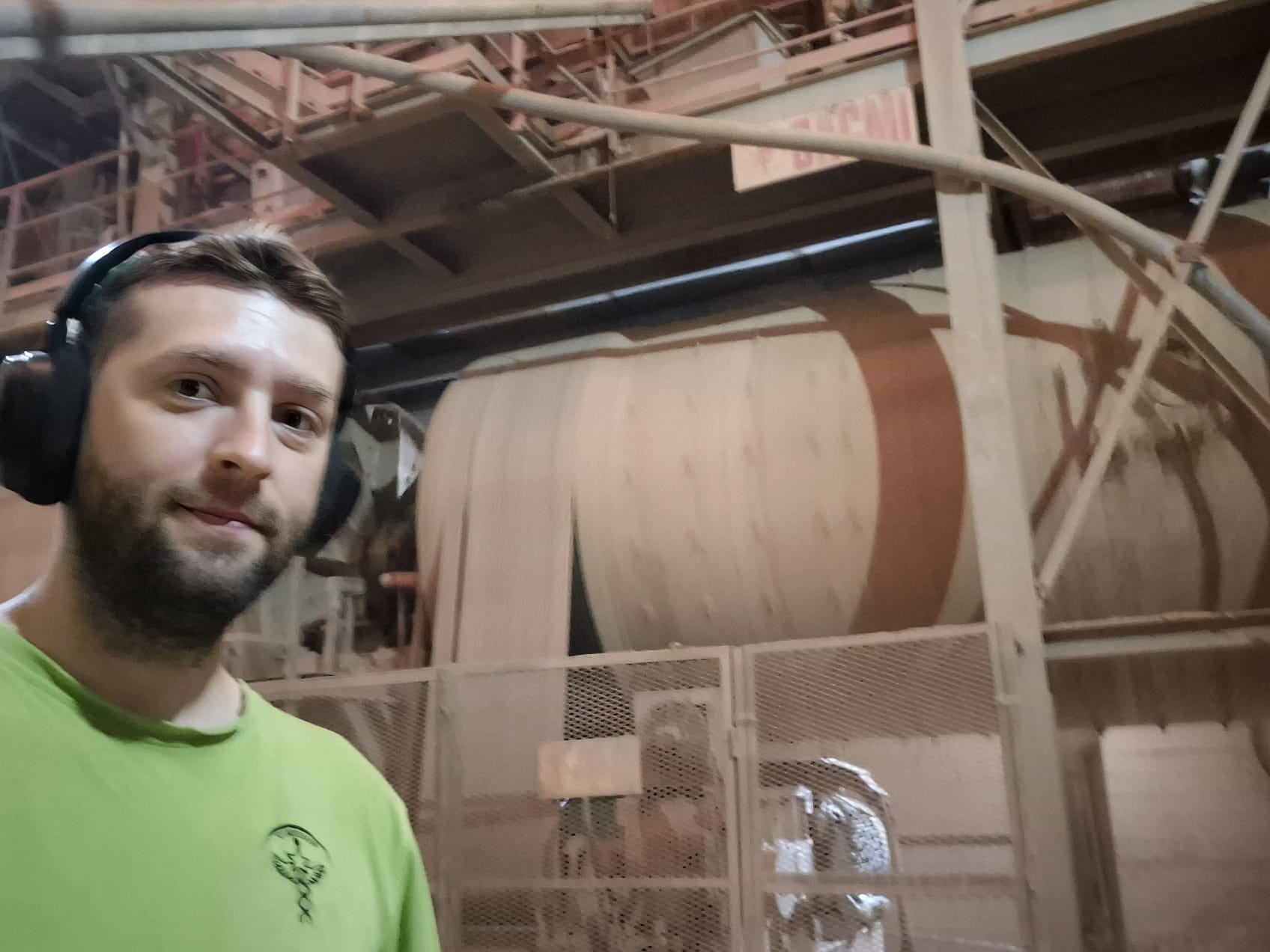
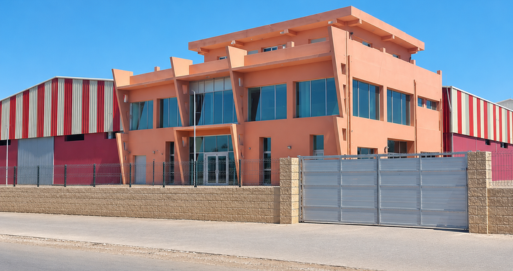
This was the challenge at Cristal Cérame in Morocco. The client needed a complete, up-to-date overview of production in an environment where equipment and automation systems came from different manufacturers.
For the bitYes team, the challenge was to turn information scattered across separate systems into accessible, easy-to-understand data for the people managing production.
WHAT?
The challenge:
The entire production line at a glance
- Real-time visibility into machine status: running, idle, alarm, or maintenance.
- Quick access to production information without physically checking each machine.
- Centralized alarm monitoring and access to alarm history.
- Access to historical data for production analysis and preventive maintenance planning.
HOW?
The solution:
Different systems. One complete view of production.
The bitYes team implemented a monitoring application connected directly to data from relevant machines across the production line.
The solution involved integrating existing equipment, providing support for IT network configuration, and organizing information into an interface accessible to operators.
Technologies and integration:
- Omron and Siemens PLCs.
- Dedicated applications for machines across the production line.
- Centralized monitoring and data acquisition application.
Key features:
- Dashboard displaying real-time information.
- Equipment status monitoring.
- Active alarm visualization and alarm history.
- Historical data storage and retrieval.
- Access to relevant information for production analysis and maintenance.
An important part of the implementation was explaining the system to the client and operators.
Because an industrial application must not only work reliably but also be easy to use for the people who interact with it every day.
WHAT WAS ACHIEVED?
The result:
Greater visibility into production
Cristal Cérame now benefits from a centralized view of its production process, with access to up-to-date information and historical machine operating data.
Greater visibility: Equipment status can be monitored through a single application, eliminating the need to check each machine individually.
Better-informed interventions: Current and historical alarms help identify and investigate operational issues.
Data-driven decisions: Historical information can support production analysis and preventive maintenance planning.
The result is a system that brings information where it matters most: directly to the people responsible for making decisions.
CLIENT THOUGHTS?
A Collaboration Built Around Production Needs
BACKSTAGE
Automation speaks a common language. People learn to understand each other.
In an international project, challenges are not just technical.
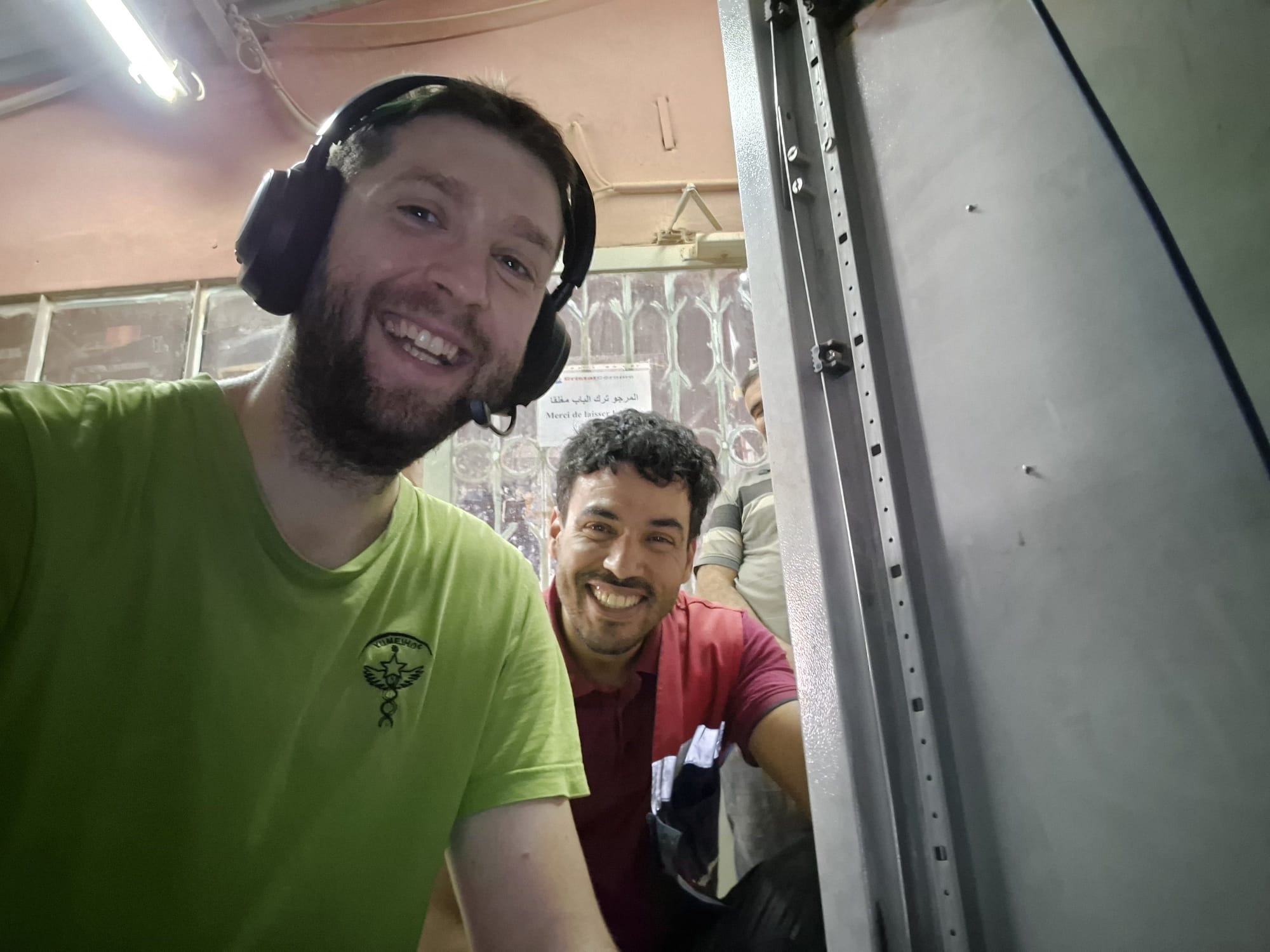
At Cristal Cérame, the bitYes team worked with different types of equipment, dedicated applications, and an infrastructure that needed to be connected into a unified system.
But one of the challenges was also explaining how the application worked in a way that was easy for its future users to understand.
Because you can integrate PLCs from different manufacturers, configure networks, and centralize data. But a successful implementation also depends on how well people understand the system.
And that takes more than programming.